English
 What I will learn?
By the end of this lecture, participants will be able to:
1.Recognize the basic physiology of fasting in non-diabetic and diabetic individuals.
2.Describe the epidemiological studies on fasting and related complications in diabetic patients.
3.Demonstrate how to conduct a comprehensive assessment and risk stratification in diabetic patients vis-a-vis fasting during the month of Ramadan in line with current guidelines.
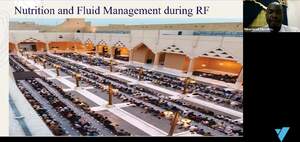
4.Discuss self-monitoring of blood glucose, nutrition, fluid, and exercise during Ramadan fasting.
5.Identify the management of medications and complications that could arise during Ramadan fasting amongst Diabetic patients
1.Recognize the basic physiology of fasting in non-diabetic and diabetic individuals.
2.Describe the epidemiological studies on fasting and related complications in diabetic patients.
3.Demonstrate how to conduct a comprehensive assessment and risk stratification in diabetic patients vis-a-vis fasting during the month of Ramadan in line with current guidelines.
4.Discuss self-monitoring of blood glucose, nutrition, fluid, and exercise during Ramadan fasting.
5.Identify the management of medications and complications that could arise during Ramadan fasting amongst Diabetic patients
Related Classes







Content