English
 What I will learn?
•Discuss the role of artificial intelligence in enhancing predictive modeling for patient outcomes.
•Identify key applications of AI and predictive analytics in managing chronic diseases, infectious diseases, and mental health conditions.
•Examine various data sources used in predictive analytics, including electronic health records (EHRs), genomic data, and social determinants of health.
•Discuss the importance of data integration and preprocessing for effective predictive modeling.
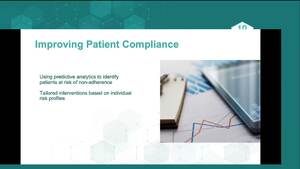
•Evaluate how predictive analytics can improve patient outcomes through early intervention, personalized treatment plans, and proactive care management.
•Discuss the implications of predictive insights for healthcare providers and patients.
•Identify key applications of AI and predictive analytics in managing chronic diseases, infectious diseases, and mental health conditions.
•Examine various data sources used in predictive analytics, including electronic health records (EHRs), genomic data, and social determinants of health.
•Discuss the importance of data integration and preprocessing for effective predictive modeling.
•Evaluate how predictive analytics can improve patient outcomes through early intervention, personalized treatment plans, and proactive care management.
•Discuss the implications of predictive insights for healthcare providers and patients.
Related Classes






Content